
Empowering Autonomy: Behavioral Health & Sexual Self-Determination
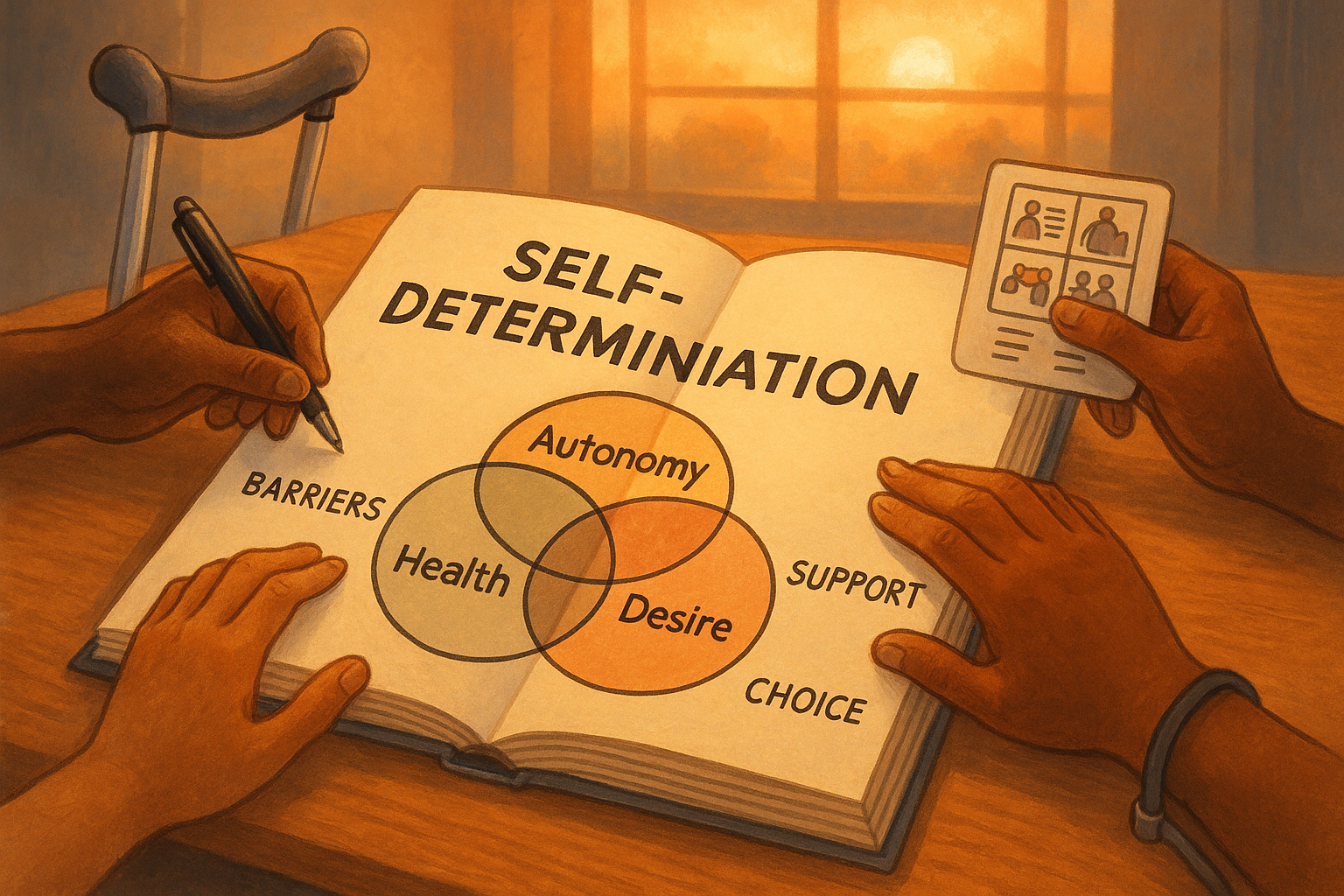
California’s Master Plan, a new legal lens, and a practical self‑determination model—invite a deeper look at what real support looks like. Beyond rhetoric, we’re witnessing a shift toward systems built on trust, choice, and inclusion.
A Community Blueprint
California’s “Master Plan for Developmental Services,” released in March 2025, grew from conversations with individuals, families, and advocates statewide. The plan prioritizes:
Removing systemic barriers to care, transportation, and jobs.
Centering behavioral health as core, not peripheral.
Embedding equity, transparency, and accountability.
It signals serious investment, not just lip service. When states ask “what do you need?” and act on that input, policy becomes practice. We’re seeing government moving from prescriber to partner.
Naming the Invisible Harm
“The structural desexualization of disability” reframes a quiet injustice: the reality that some systems systematically deny sexual agency to people with developmental disabilities [link]. Guardianship rules, school policies, and care regulations often draw lines around sexuality—lines that erase autonomy and magnify vulnerability.
Reframing sexuality as a right aligns with disability civil rights. If sexuality is integral to personhood, removing its presence is dangerous, not protective. This article demands we view sexual agency not as optional, but essential.
Moving Toward Practical Support
Theory matters—but so does implementation. Skuban‑Eiseler blends Frankfurt’s theory of hierarchical desire with WHO’s expansive definition of sexuality to propose a roadmap grounded in cognitive insight and respect. It delivers:
A clear model of self-determination focused on what’s wanted.
Practical tools for caregivers to support nuanced decisions.
Identification of familiar barriers—from skill gaps to institutional inertia.
This isn’t academic. This is template-making; supporting someone to choose who they love, how they express intimacy, what they believe, to live at their most authentic life.
Why Now Matters
These insights converge into a single idea: autonomy isn’t accidental—it’s intentional. Systems can be designed around people, not problems. And when we prioritize listening, structure accountability, and foster practical support, real inclusion stops being aspirational and becomes operational.
Looking ahead, our next steps should include:
Scaling funding to meaningfully support behavioral‑health priorities.
Overhauling guardianship and education rules that limit personal agency.
Offering regular training for caregivers in nuanced decision support.
When autonomy is the goal, everything else becomes the path.