

Our Blog
Scroll down to explore all our past posts!
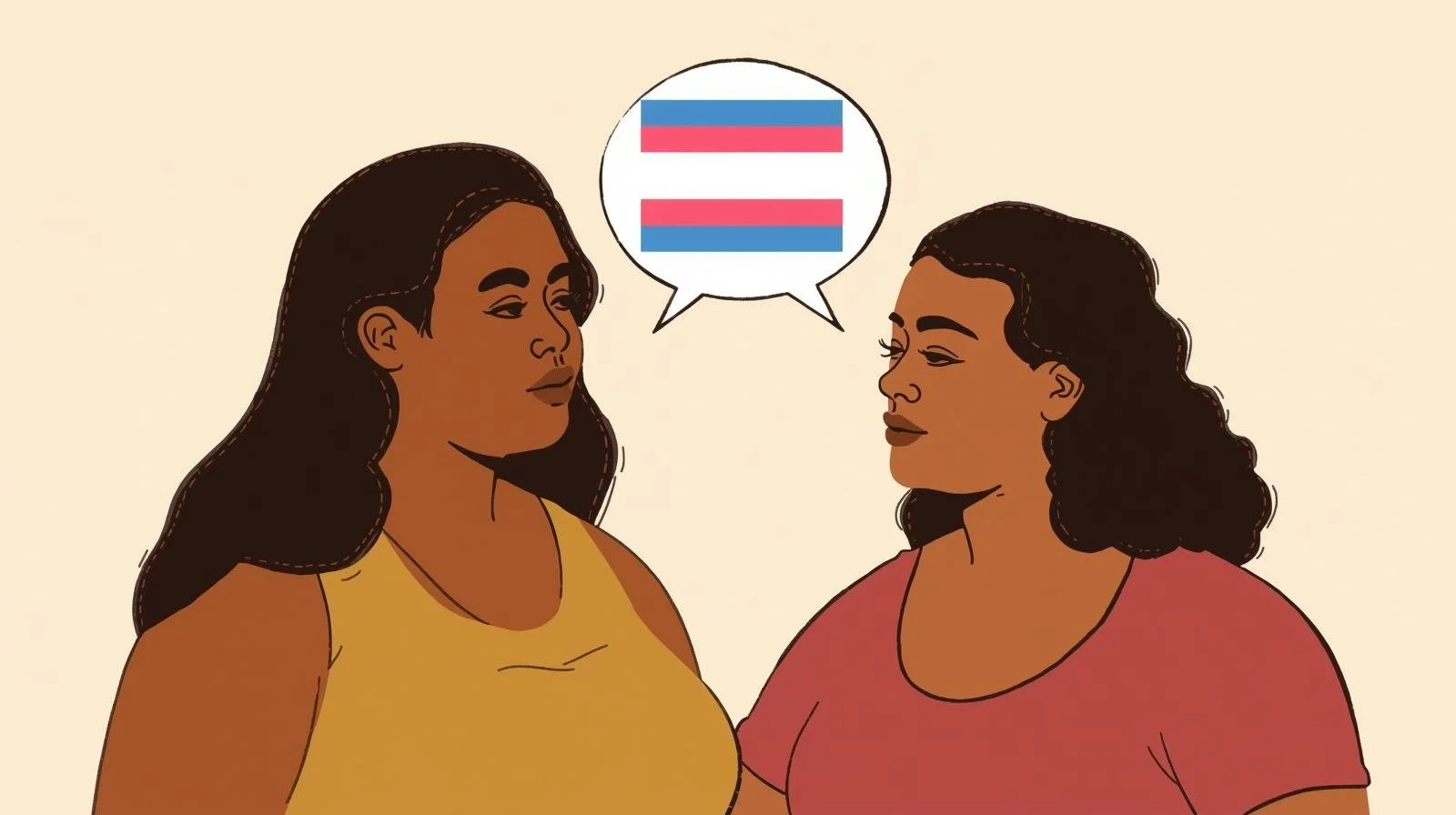
Navigating Gender Identity for People with Intellectual & Developmental Disabilities (ID/DD)
Supporting a person’s gender identity is critically important for their mental health, quality of life, and self-determination. And it is even more important if the person experiences intellectual and/or developmental disabilities. This article offers practical, rights-based guidance for families, caregivers, and professionals.

Sexually Transmitted Infections (STIs) & People with Intellectual and Developmental Disabilities (ID/DD)
People with ID/DD absolutely deserve sexual-health care that is accessible, respectful, and proactive — including STI education, prevention, testing, and treatment. While research suggests lower documented STI rates for people with ID/DD, this should not breed complacency. Rather it should drive more inclusive practices, better communication, and systematic support.

Centering and Accommodating Non-Verbal and Non-Speaking People
Centering and accommodating non-verbal and non-speaking people is both a moral obligation and a practical necessity. By rejecting speech-centric assumptions, embracing AAC and diverse communication strategies, and ensuring environments foster inclusion, we uphold the fundamental right of every person to be heard — in their own way.

Navigating Sexual Health Resources for Individuals with Intellectual or Developmental Disabilities (ID/DD)
Sexual health is an integral part of life for everyone—including those with intellectual or developmental disabilities. With the right supports, education, and respect for rights, individuals with ID/DD can access meaningful relationships, make informed decisions, and express their sexuality safely and positively.

Strengthening Collaboration: Best Practices for Care Teams & State Service Providers in Disability Support
When supporting people with disabilities, the complexity of their needs often spans health care, social services, vocational supports, housing, education, and more. No single organization or discipline can address all these dimensions alone.

When a Client with ID/DD Comes Out: A Guide for Supportive Practice
When a client who has intellectual and/or developmental disabilities (ID/DD) shares that they are gay, bisexual, or transgender, it can be a meaningful moment of trust and disclosure. How a support professional, caregiver, or ally responds in that moment can have lasting impact on the individual’s sense of identity, dignity, belonging, and mental‐health.

Supporting Teenagers with Intellectual and Developmental Disabilities in Sexual Education: A Guide for Parents and Caregivers
Learn how parents and caregivers can provide effective sexual education for teenagers with intellectual and developmental disabilities. Discover strategies, resources, and supportive approaches backed by research.

Proactive vs. Reactive Behavior Supports in ID/DD: Building a Foundation for Meaningful Change
Supporting individuals with intellectual and developmental disabilities (ID/DD) involves more than managing challenging behavior—it’s about enriching lives through dignity, skills, and choice.

How Intellectual and Developmental Disabilities Can Impact Sex Drive
Sex drive in adults with intellectual and developmental disabilities does not follow a one-size-fits-all pattern. Some may experience high levels of sexual desire (hypersexuality), others low desire (hyposexuality), and many may fluctuate or fall somewhere in between depending on life stage, health, environment, and education.

Grounding Exercises: Supporting Emotional Regulation for Adults with Intellectual and/or Developmental Disabilities
For adults with intellectual and/or developmental disabilities (ID/DD), managing stress, anxiety, and overwhelming emotions can be particularly challenging. Grounding exercises—simple practices that help bring attention back to the present moment—are effective tools to promote calm, focus, and a sense of safety.

Understanding Sexually Maladaptive Behaviors and Their Impact on Families: Coping Strategies for Support and Healing
Sexually Maladaptive Behaviors can be confusing and stressful for families. Learn what they mean, how they affect relationships, and practical coping strategies supported by professional resources.

Still Growing: How People with Developmental Disabilities Can Build Skills and Learn New Things
There is a common misconception that developmental disabilities permanently cap a person’s capacity to learn or develop. In truth, people with developmental and intellectual disabilities (ID/DD) can, do, and should continue to learn throughout life—if given the right supports, opportunities, and environments.

Supporting Someone with Intermittent Explosive Disorder: Understanding and Coping Together
Living with Intermittent Explosive Disorder can be challenging—for both the individual and their loved ones. But with treatment, understanding, and consistent support, people with IED can learn to manage their impulses and build healthier, more stable relationships.

Celebrating Sexual Orientation & Gender Identity in People with Intellectual & Developmental Disabilities
People with IDD have often been assumed to be asexual, heterosexual, or cisgender—assumptions that erase their identities, needs, and humanity (LGBTQ+ People | Intellectual Disability Mental Health Connect, The Arc).

OCD Intrusive Thoughts: What They Are and How to Support Someone Who Has Them
When most people hear “OCD,” they picture color-coded closets or constant hand-washing. But Obsessive-Compulsive Disorder is much more than a need for cleanliness or order—it’s a serious mental health condition that can involve deeply distressing, unwanted thoughts.
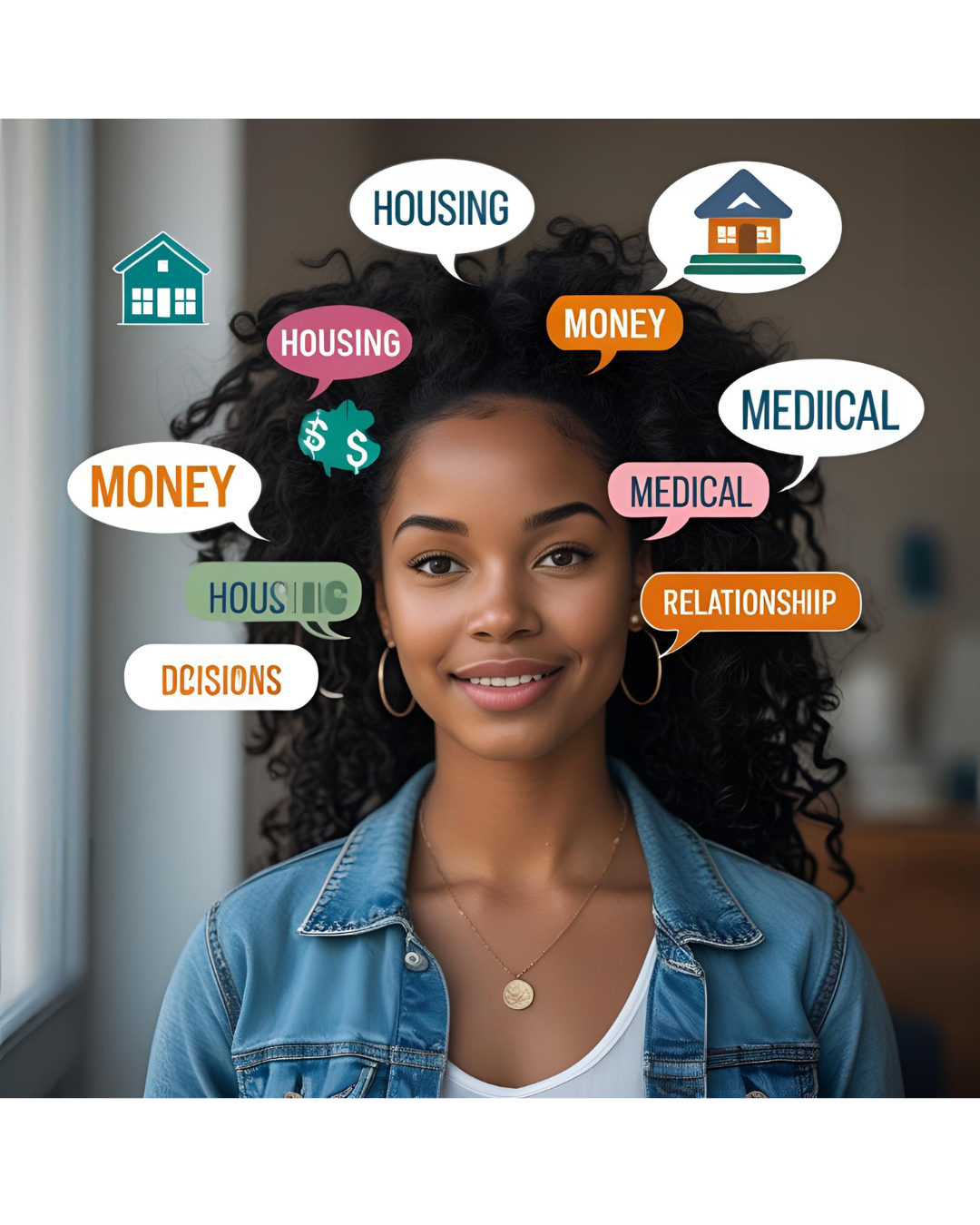
Supporting Adults with Developmental Disabilities With Informed Consent
Those of us supporting people who experience intellectual and developmental diversity (disabilities) must learn how to address informed consent in all areas of their lives - including their relationships and sexuality!

Understanding Autism: Sensory-Seeking & Sexuality
If you’re supporting a teen or adult who experiences Autism it’s important to understand how their sensory needs might impact and intersect with their sexuality.
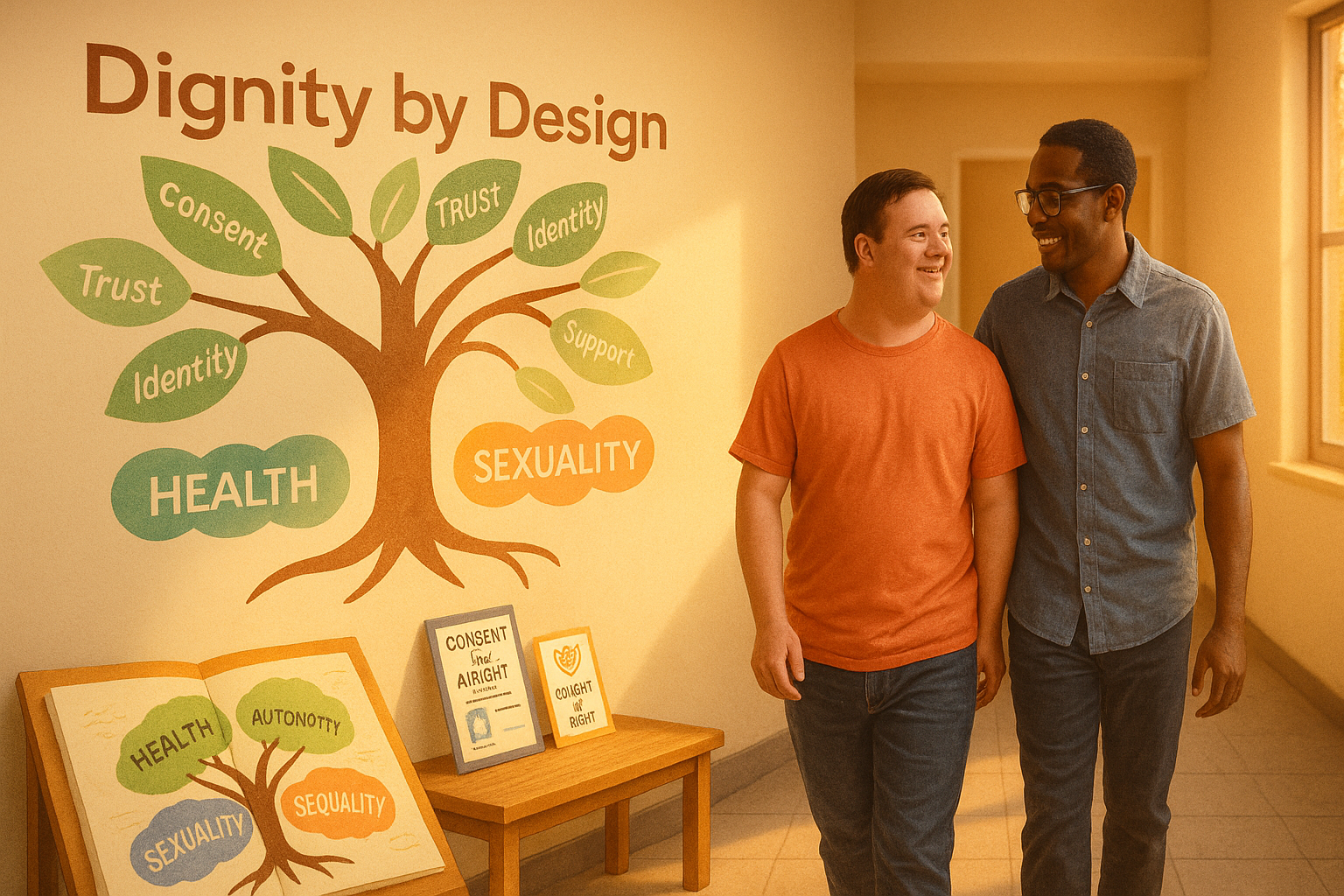
Integrating Behavioral Health and Sexual Self-Determination for People with IDD
People with IDD deserve systems built around their autonomy, not around managing perceived limitations.

Building Boundaries: A Compassionate Guide to Intimacy for Neurodiverse Individuals
Honoring your limits is an act of kindness toward yourself and toward everyone you meet… and a unique challenge for neurodiverse learners.

Why Trauma-Informed Sexuality Education is Essential in Behavioral Health Today
Our clients don’t always know how to express boundaries, ask questions, and seek help when needed. We need the tools to approach these conversations with confidence, clarity, and deep respect.